Must Know Interior Design Trends for 2026
Interior design in 2026 is all about warmth, functionality, texture, sustainability, and bold visual impact. These emerging trends reflect evolving lifestyles, blending comfort, technology, and expressive aesthetics to redefine modern living spaces.
Interior design continues to evolve alongside changes in lifestyle, technology, and environmental awareness. In 2026, spaces are no longer just about appearance — they are about experience, efficiency, and emotional connection.
The upcoming design trends emphasize comfort-driven minimalism, intelligent space usage, sensory-rich textures, environmentally responsible materials, and lighting that doubles as art. Homes are becoming smarter, warmer, and more personalized than ever before.
Whether you're planning a renovation, designing a new home, or simply refreshing your interiors, these five trends will shape the design language of 2026.
Top 5 Interior Design Trends for 2026
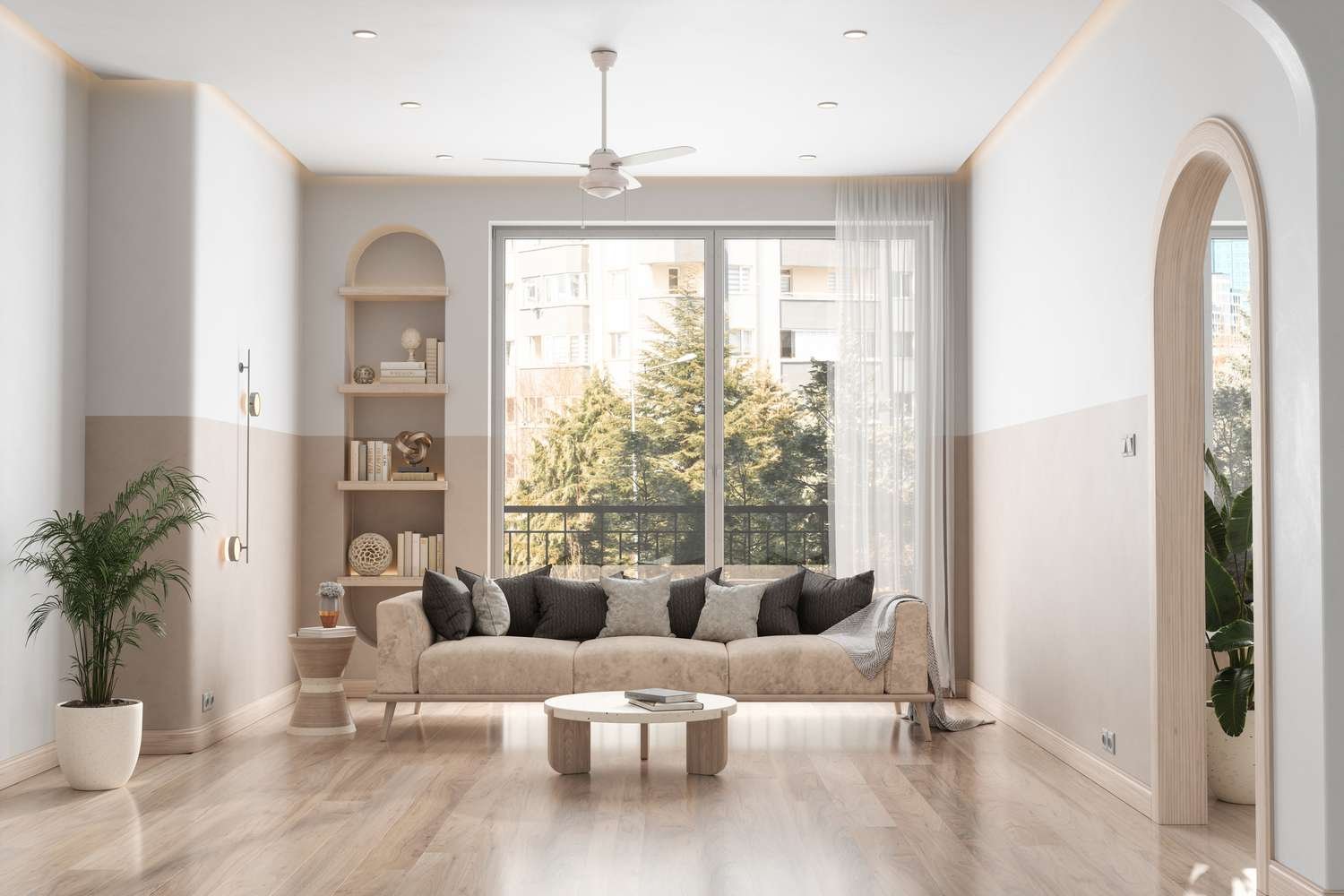
1. Warm Minimalism: Comfort Meets Simplicity
Minimalism is evolving. Cold whites and stark spaces are giving way to warmer tones, soft textures, and inviting environments.
What defines this trend:
-
Neutral earthy palettes (beige, sand, clay, warm grey)
-
Soft fabrics and cozy finishes
-
Clean layouts with a welcoming feel
-
Reduced clutter without sacrificing warmth
This approach creates calm, elegant interiors that feel both modern and livable.
2. Smart & Multifunctional Spaces
As homes adapt to hybrid lifestyles, furniture and layouts are becoming more flexible and intelligent.
Key highlights:
-
Multi-use furniture (storage beds, foldable desks)
-
Modular layouts
-
Hidden storage solutions
-
Tech-integrated designs
Spaces are designed to work harder without feeling crowded — ideal for urban living.
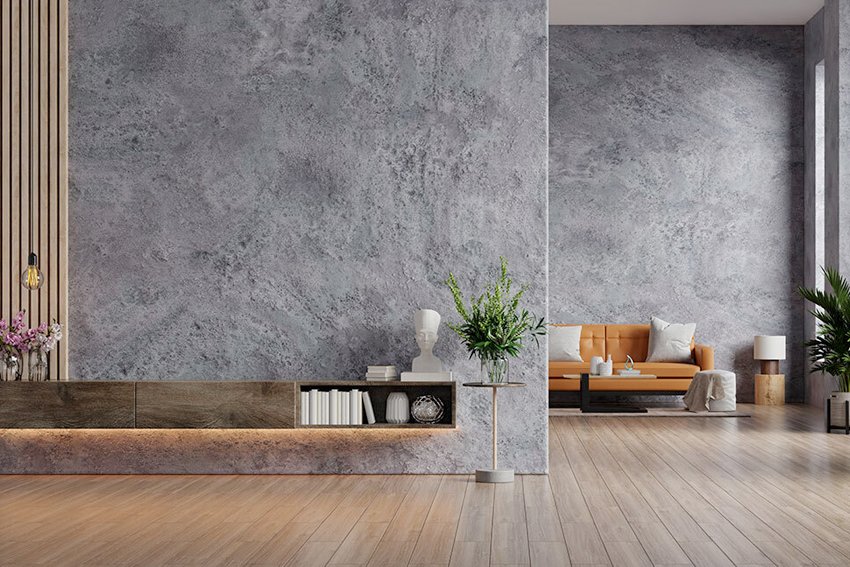
3. Texture-Rich Interiors
Flat, overly smooth interiors are being replaced by depth, character, and tactile appeal.
Popular elements include:
-
Textured wall finishes
-
Fluted panels & ribbed surfaces
-
Stone, concrete, and matte materials
-
Layered fabrics
Texture adds sophistication and visual interest without relying on bold colors.
4. Sustainable & Conscious Design
Eco-friendly design is no longer optional — it is becoming the standard.
Design priorities:
-
Recyclable and low-impact materials
-
Energy-efficient lighting
-
Sustainable furniture solutions
-
Long-lasting, durable finishes
Homeowners are prioritizing designs that are both stylish and environmentally responsible.
5. Statement Lighting as a Focal Point
Lighting is transforming from a functional necessity into a dramatic design feature.
Trending lighting styles:
-
Sculptural pendant lights
-
Oversized fixtures
-
Artistic chandeliers
-
Layered ambient lighting
Lighting now defines mood, adds personality, and enhances architectural elements.
Blog gallery